
Commercial Insurance · Windsor-Essex
Trucking Insurance
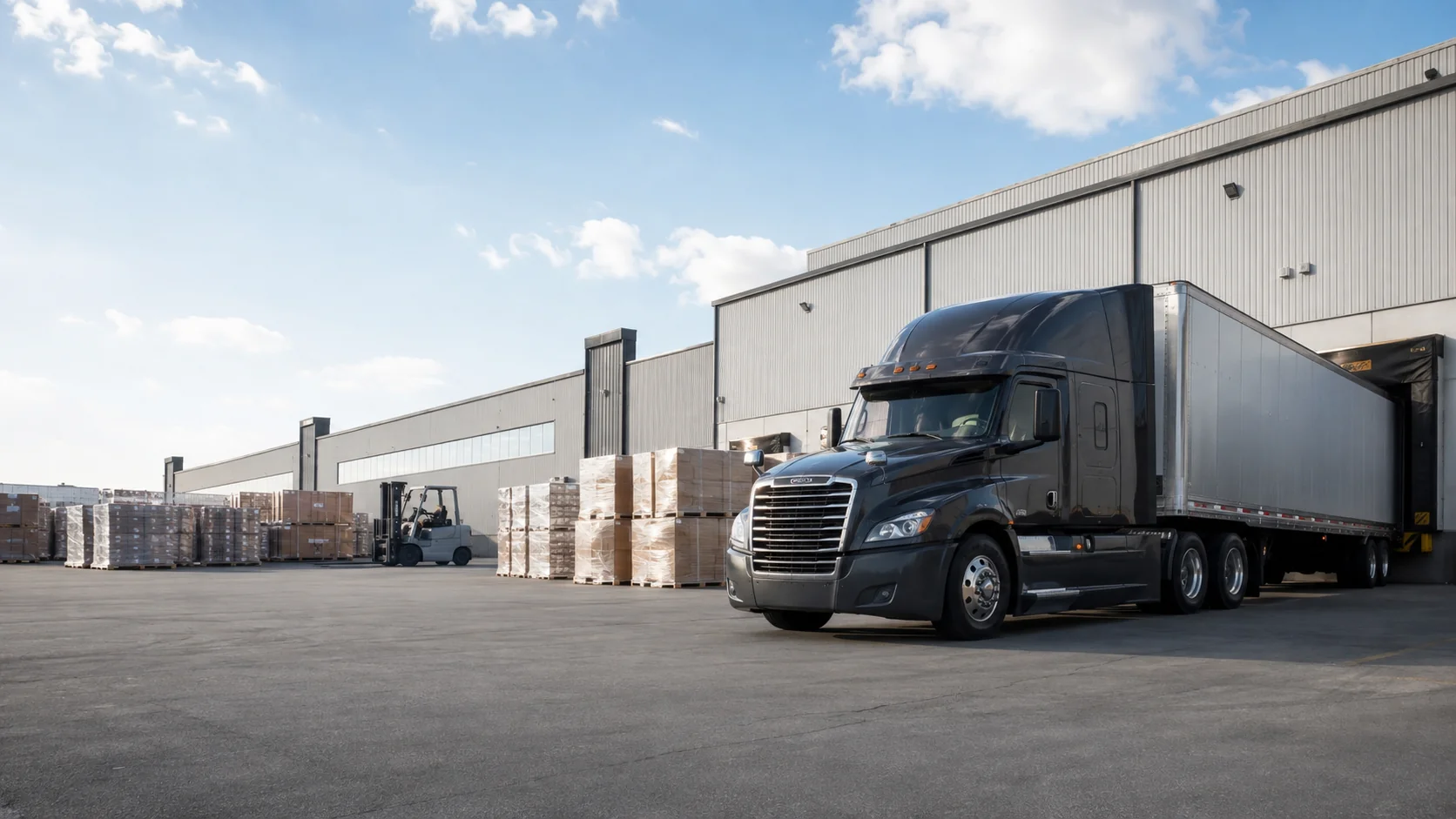
Motor carriers and for-hire trucking operations face a layered insurance picture — Ontario-regulated commercial automobile liability and physical damage for tractors and trailers on the highway, separate motor truck cargo coverage for freight you haul for others, and additional underwriting when your lanes cross into the United States. That is different from a single light commercial auto policy or from cargo-only coverage for goods in transit. Ontario operators of qualifying commercial motor vehicles must also hold a valid Commercial Vehicle Operator's Registration (CVOR) certificate from the Ministry of Transportation — a regulatory safety-registration program separate from purchasing insurance. Premium Insurance Brokers can help align automobile, cargo, and contract requirements to how your fleet actually runs.
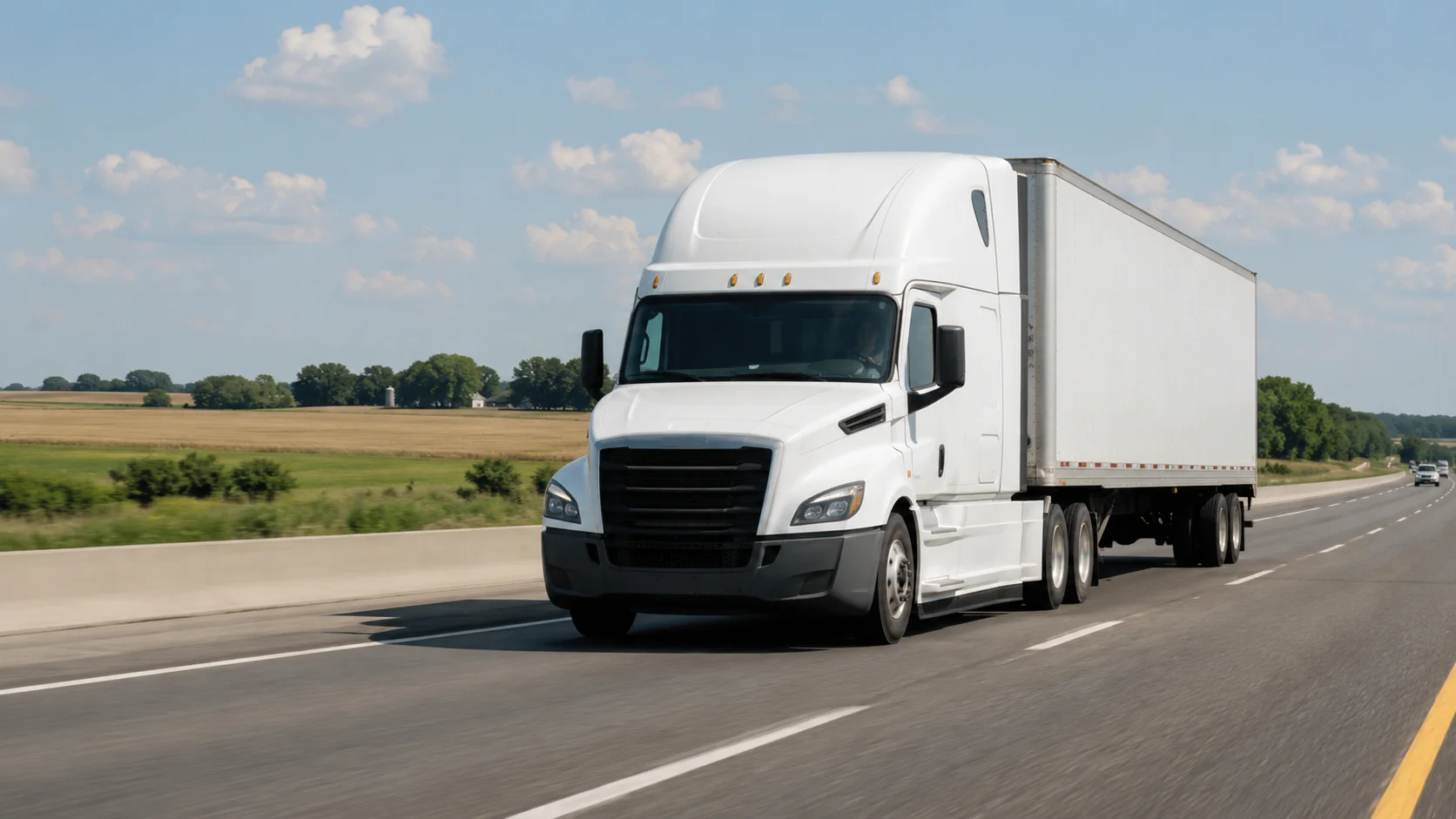
For Windsor–Essex motor carriers, owner-operators, and fleet operators — reviewed through an independent broker who can coordinate commercial automobile, cargo, and contract requirements for how you actually haul.
What's covered
Trucking insurance usually separates regulated automobile coverage for your power units and trailers from cargo coverage for customers' freight — depending on fleet size, radius, commodities, owner-operator contracts, and whether you haul into the U.S.
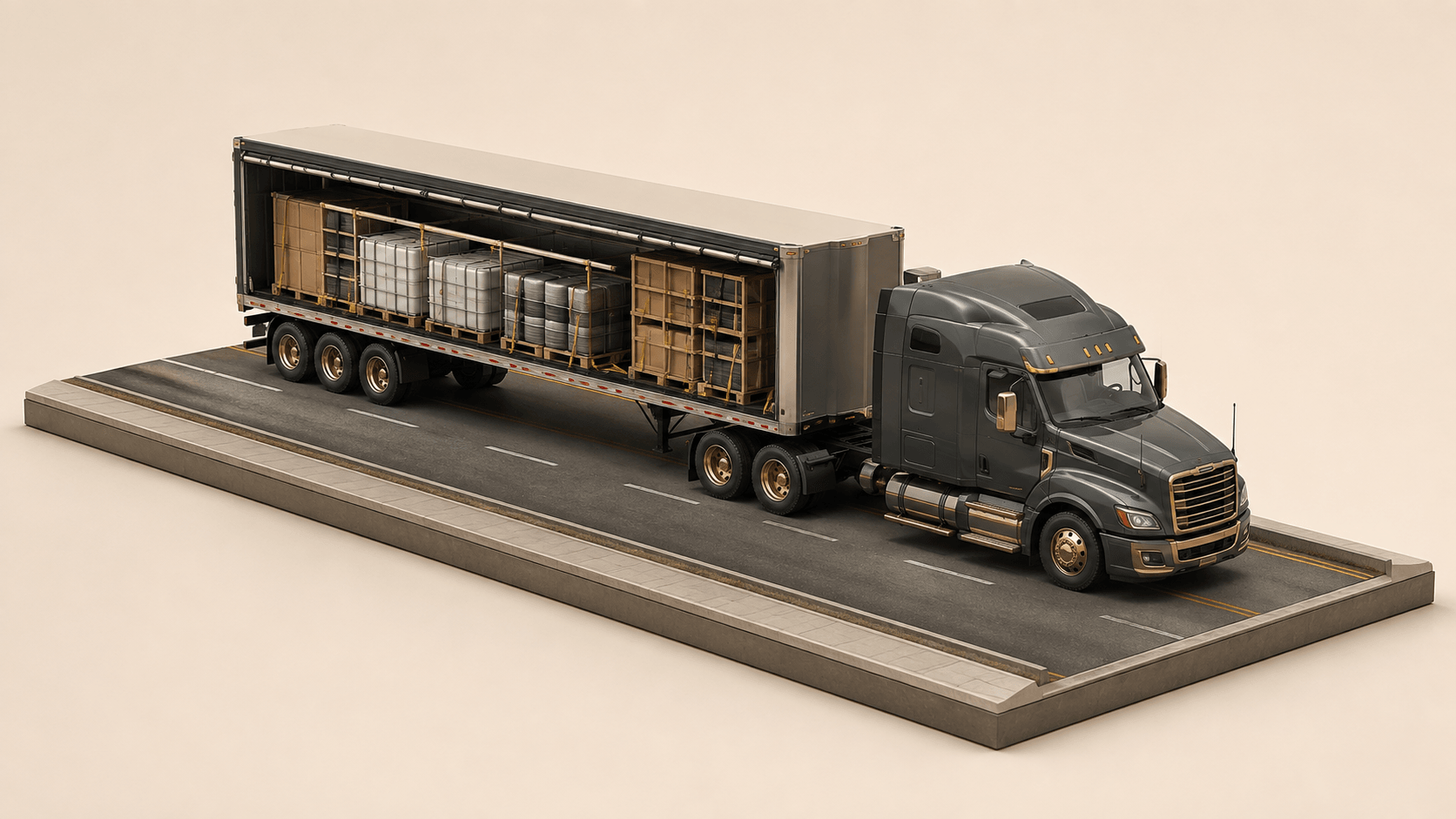
Shippers' freight is a separate exposure from your tractor on the highway: When you haul another party's goods, motor truck cargo coverage — where purchased — may respond to certain physical loss or damage to that freight subject to causes of loss, exclusions, and limits in the policy. Ontario automobile liability does not replace cargo coverage for customers' goods. Shippers, brokers, and 3PL contracts often specify minimum cargo limits, deductibles, or insurer requirements — those are contractual obligations separate from what any base automobile policy includes. Commodity type, packaging, maximum load value, and security practices affect underwriting.
Shippers' freight is a separate exposure from your tractor on the highway
When you haul another party's goods, motor truck cargo coverage — where purchased — may respond to certain physical loss or damage to that freight subject to causes of loss, exclusions, and limits in the policy. Ontario automobile liability does not replace cargo coverage for customers' goods. Shippers, brokers, and 3PL contracts often specify minimum cargo limits, deductibles, or insurer requirements — those are contractual obligations separate from what any base automobile policy includes. Commodity type, packaging, maximum load value, and security practices affect underwriting.
Practical considerations
The Premium difference
Why a broker?
One relationship. Multiple markets. Coverage explained in plain language.
- 1
Your operation
Your industry, locations, and how the business actually runs day to day.
- 2
Multiple insurance markets
Independent access to commercial carriers — options compared side by side.
- 3
Premium broker
Windsor-Essex guidance that translates policy wording into decisions.
- 4
Right-fit coverage
Protection aligned to your operations — not generic off-the-shelf limits.
A lot to protect? Good thing we have options.
One policy is rarely the whole picture. Explore other commercial coverage from Premium.
Trucking insurance FAQ
Straight answers to common questions for this industry.
Generally not automatically. Ontario commercial automobile liability and physical damage address the insured vehicle and third-party claims arising from its use on roads — not loss of customers' freight. Motor truck cargo coverage, where purchased, may address certain physical loss or damage to freight you carry for hire subject to policy terms, exclusions, limits, and valuation. Shippers and brokers often require specific cargo limits contractually — confirm how your program structures automobile and cargo coverage with your broker.
Ready when you are
Ready to cover your trucking operation?
Share your fleet list, lanes, commodities, and contract requirements — we will compare trucking automobile and cargo options.