
Commercial Insurance · Windsor-Essex
Cargo & Freight Insurance
Cargo and freight insurance is about goods in transit — the customer's freight, not the truck itself. When you carry property belonging to others, loss or damage can generate claims evaluated under motor truck cargo forms, carrier legal liability wording, or contractual bailment terms — depending on policy structure, cause of loss, and who bears legal responsibility. That is separate from Ontario commercial automobile liability for the vehicle on the road and separate from warehouse legal liability for stored goods. Coverage depends on commodities hauled, valuation methods, limits, exclusions, and territorial scope — not every lost or damaged shipment is insured automatically. Premium Insurance Brokers can help align cargo limits with shipper contracts and how your operation actually moves freight.
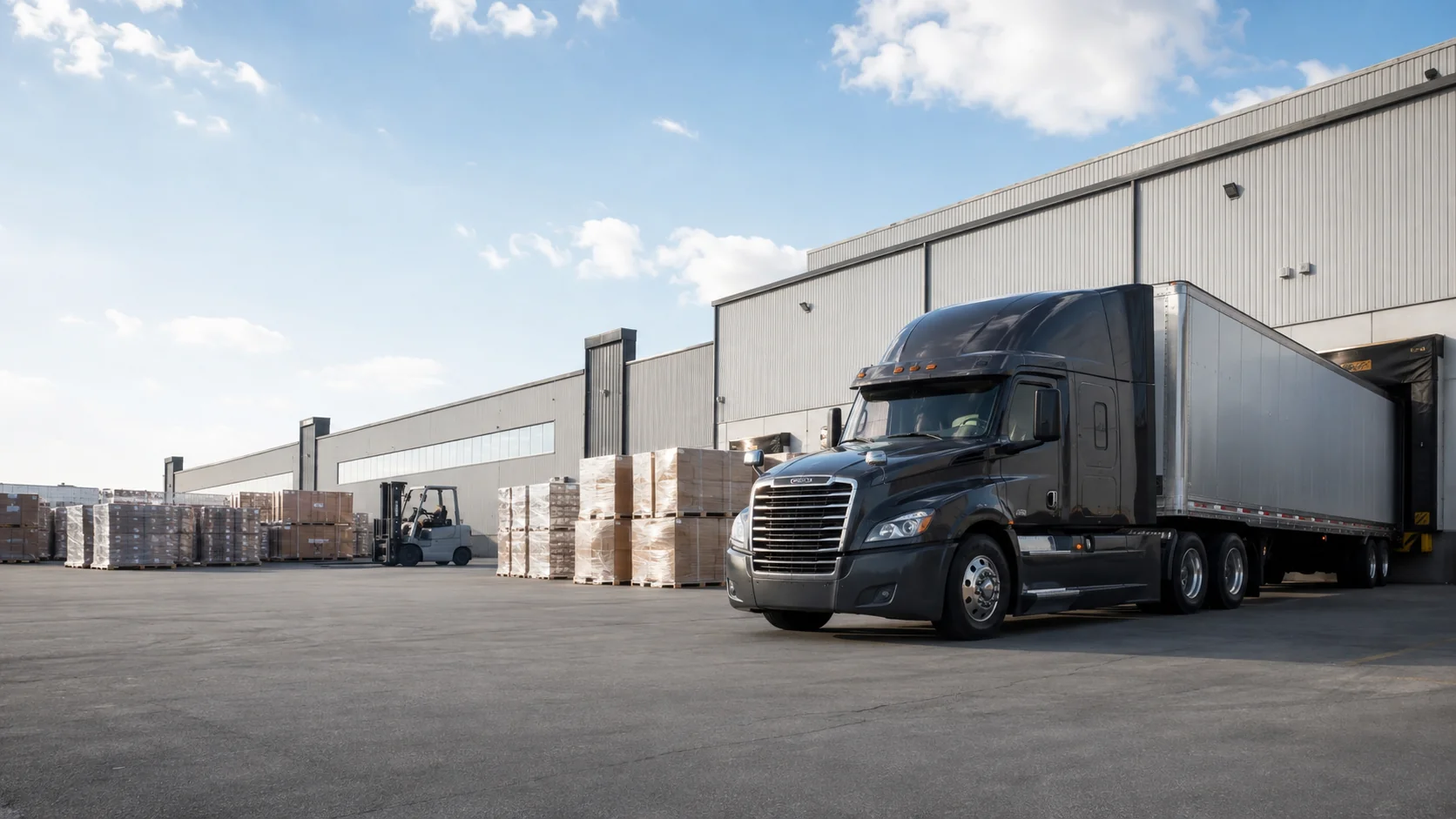
For Windsor–Essex motor carriers, owner-operators, and freight brokers who move general freight, specialized commodities, or temperature-controlled loads — reviewed through an independent broker who can align cargo limits, valuation, and territorial scope with shipper and broker contracts.
What's covered
Cargo insurance addresses freight in transit — motor truck cargo for physical loss or damage, carrier legal liability where policy wording applies, and specialized forms for refrigerated or brokered loads depending on commodities, contracts, and territory.
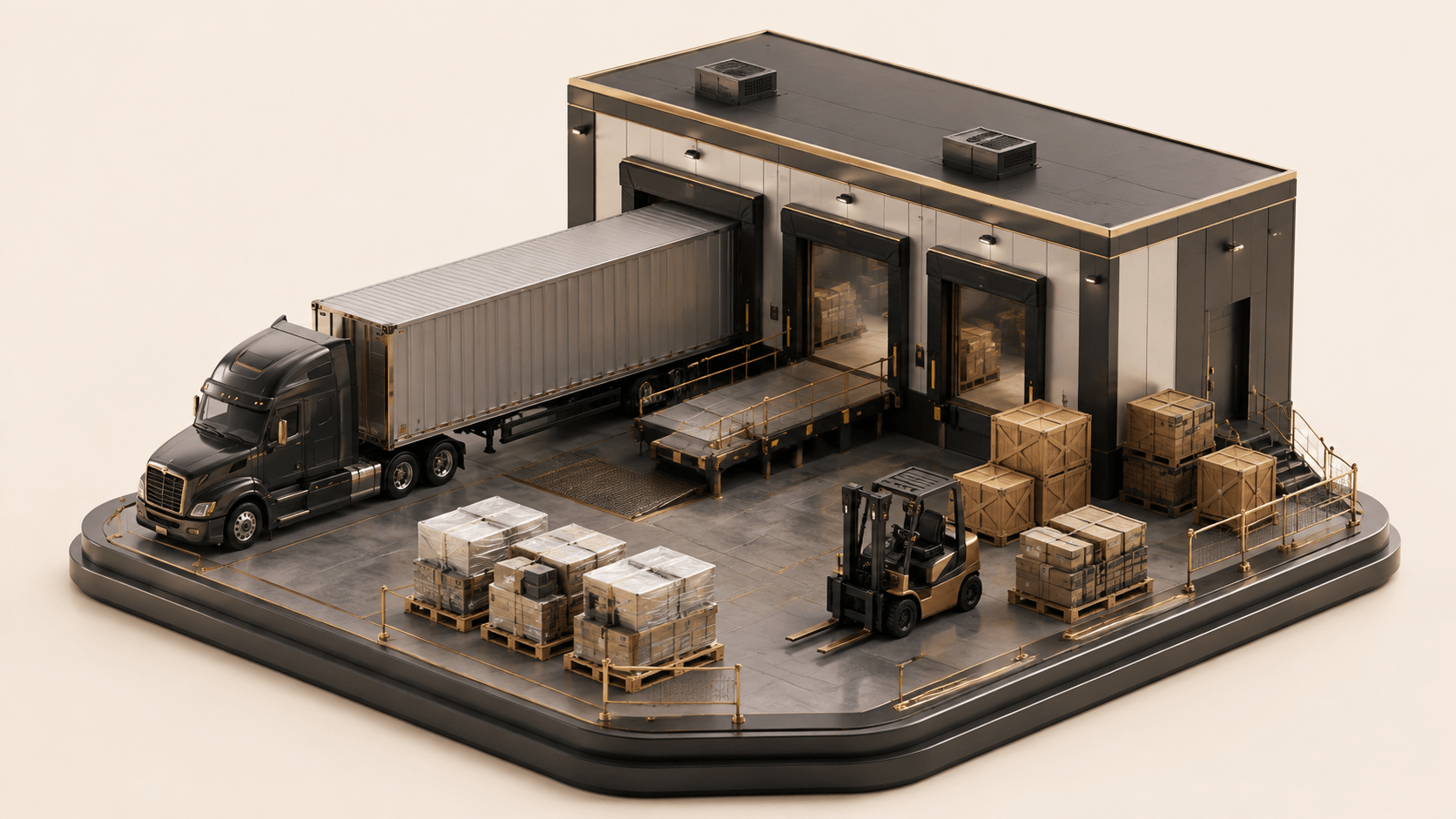
Customers' goods in the trailer — not the tractor's highway liability: Motor truck cargo coverage, where purchased, insures the shipper's freight against covered physical loss or damage during transit subject to policy triggers — fire, collision, theft, and other named perils depending on wording. It does not replace commercial automobile liability for third-party injury or damage caused by the truck on the road. High-value, restricted, or temperature-sensitive commodities may need endorsements or may be excluded. Maximum value per load, average load values, and packaging standards affect underwriting and claims.
Customers' goods in the trailer — not the tractor's highway liability
Motor truck cargo coverage, where purchased, insures the shipper's freight against covered physical loss or damage during transit subject to policy triggers — fire, collision, theft, and other named perils depending on wording. It does not replace commercial automobile liability for third-party injury or damage caused by the truck on the road. High-value, restricted, or temperature-sensitive commodities may need endorsements or may be excluded. Maximum value per load, average load values, and packaging standards affect underwriting and claims.
Practical considerations
The Premium difference
Why a broker?
One relationship. Multiple markets. Coverage explained in plain language.
- 1
Your operation
Your industry, locations, and how the business actually runs day to day.
- 2
Multiple insurance markets
Independent access to commercial carriers — options compared side by side.
- 3
Premium broker
Windsor-Essex guidance that translates policy wording into decisions.
- 4
Right-fit coverage
Protection aligned to your operations — not generic off-the-shelf limits.
A lot to protect? Good thing we have options.
One policy is rarely the whole picture. Explore other commercial coverage from Premium.
Cargo & freight FAQ
Straight answers to common questions.
Typically the motor carrier arranges motor truck cargo or carrier legal liability coverage — where purchased — for freight in the carrier's care during transit. The shipper may also carry their own cargo interest policy depending on the contract. Coverage depends on policy wording, cause of loss, limits, and exclusions — not every shipment is automatically insured to full invoice value.
Ready when you are
Haul freight for hire?
Share commodities, maximum load values, lanes, and shipper contract requirements — we will compare cargo coverage options.