
Commercial Insurance · Windsor-Essex
Warehousing & Logistics Insurance
Warehouse and storage operations combine three exposures that standard business insurance often treats separately: your building and handling equipment, third-party injury on your premises, and — when you store goods for others — your legal responsibility for customers' property. Commercial property may cover the structure, racking, and forklifts you own; warehouse legal liability may address certain loss or damage to customers' goods when you are legally responsible under your storage contract — subject to policy terms and limits. Not every warehouse stores the same commodities, accepts hazardous materials, or operates cold storage. Premium Insurance Brokers can help map property, bailee, and liability coverage to your contracts, sprinkler protection, and commodity mix.
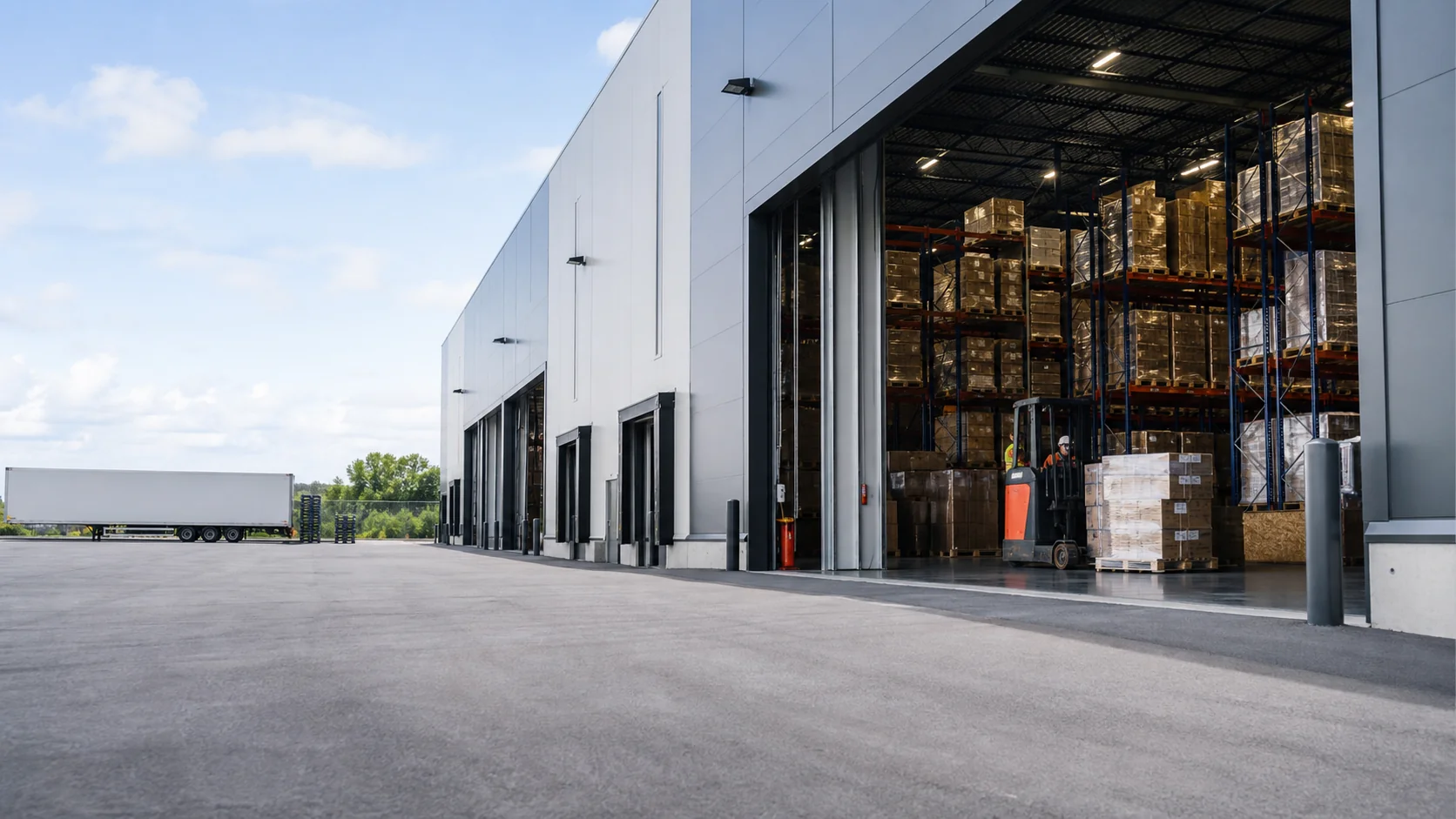
For Windsor–Essex warehouse operators, third-party logistics providers, and distribution centres — reviewed through an independent broker who can coordinate property, warehouse legal liability, and premises coverage for how you actually store and handle goods.
What's covered
Warehousing insurance usually separates coverage for your building and equipment from liability for customers' goods stored under your care — plus general liability for premises injury and business interruption when a covered loss interrupts operations.
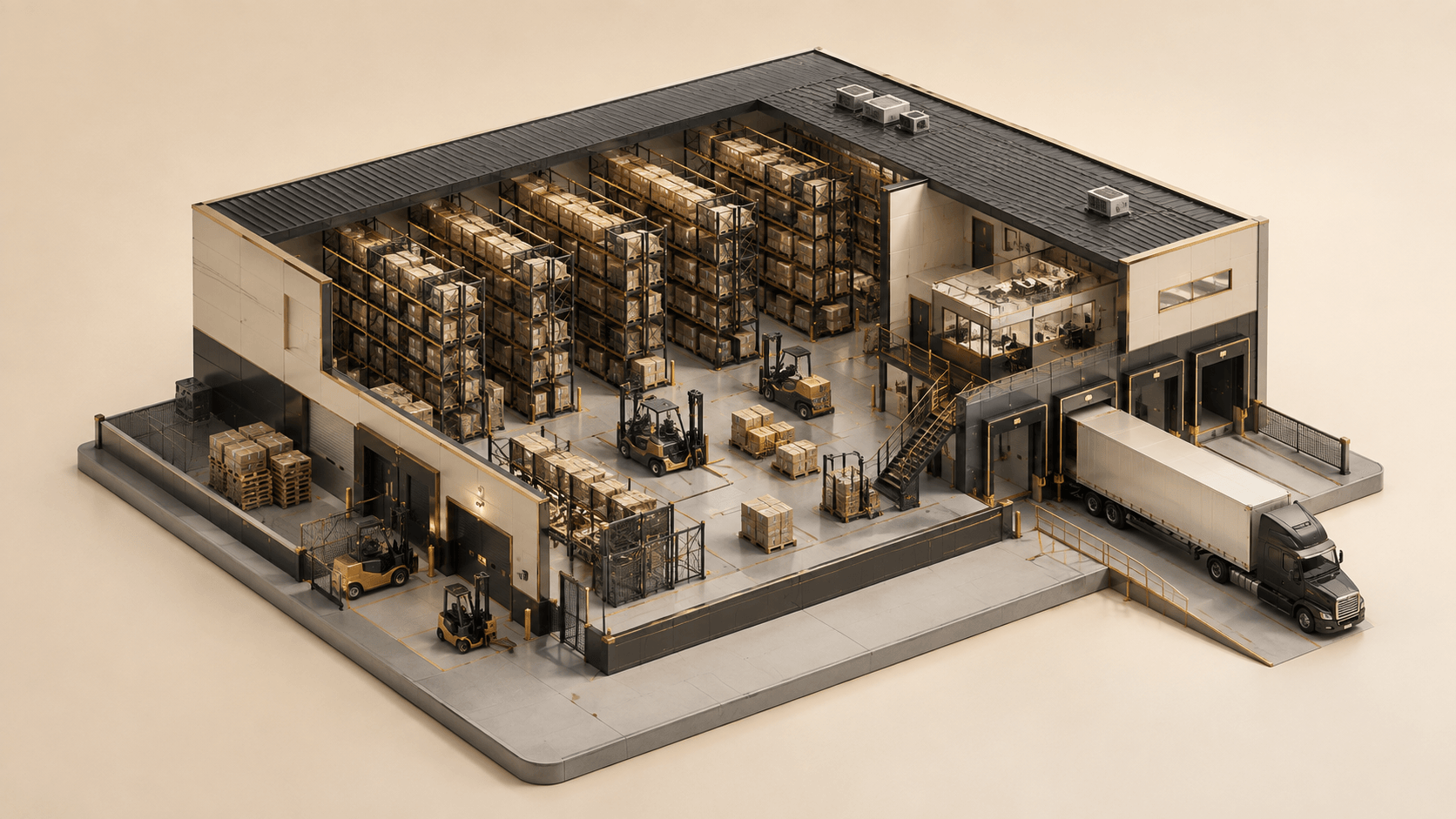
Your building and forklifts are not the same as customers' inventory: Commercial property coverage addresses the warehouse you own or are required to insure under lease — structure, improvements, racking, dock equipment, and forklifts — subject to scheduled values and causes of loss. Customers' goods stored for others are a separate exposure typically addressed through warehouse legal liability or bailee coverage, not automatically included as part of your building limit. Confirm what your property policy schedules versus what your storage contracts make you responsible for.
Your building and forklifts are not the same as customers' inventory
Commercial property coverage addresses the warehouse you own or are required to insure under lease — structure, improvements, racking, dock equipment, and forklifts — subject to scheduled values and causes of loss. Customers' goods stored for others are a separate exposure typically addressed through warehouse legal liability or bailee coverage, not automatically included as part of your building limit. Confirm what your property policy schedules versus what your storage contracts make you responsible for.
Practical considerations
The Premium difference
Why a broker?
One relationship. Multiple markets. Coverage explained in plain language.
- 1
Your operation
Your industry, locations, and how the business actually runs day to day.
- 2
Multiple insurance markets
Independent access to commercial carriers — options compared side by side.
- 3
Premium broker
Windsor-Essex guidance that translates policy wording into decisions.
- 4
Right-fit coverage
Protection aligned to your operations — not generic off-the-shelf limits.
A lot to protect? Good thing we have options.
One policy is rarely the whole picture. Explore other commercial coverage from Premium.
Warehousing FAQ
Straight answers to common questions.
Warehouse legal liability coverage, where purchased, may address certain loss or damage to customers' goods in your care, custody, or control — subject to policy terms, contractual limits, and exclusions. Your storage agreement defines the standard of care you owe. Commercial property for your building does not automatically replace bailee or warehouse legal liability for third-party goods.
Ready when you are
Operate a warehouse or 3PL?
Share storage types, values, and contract requirements — we will align property and bailee coverage.