
Commercial Insurance · Windsor-Essex
Commercial Auto & Fleet Insurance
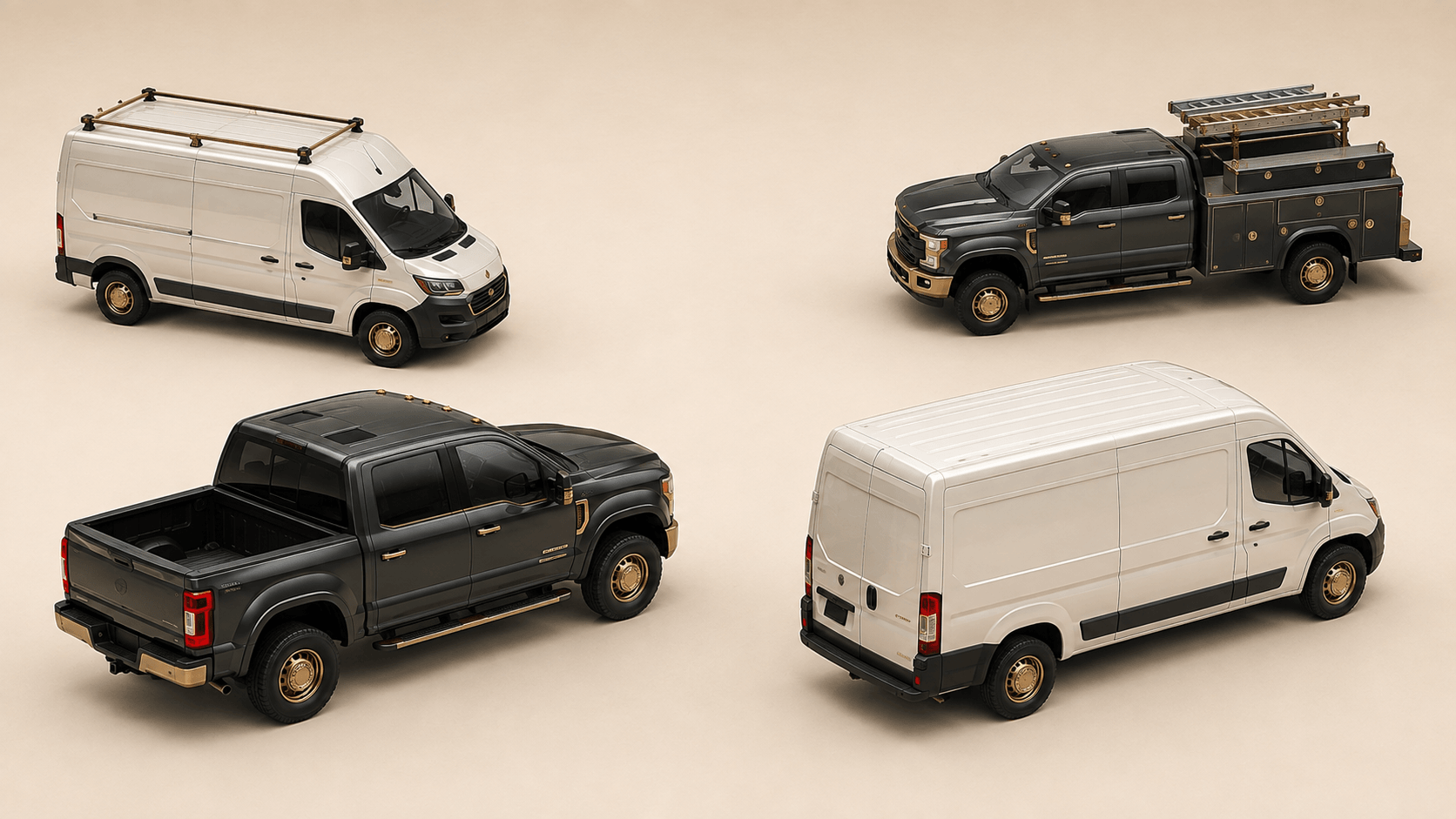
Commercial auto insurance addresses Ontario-regulated automobile coverage for vehicles your business owns, leases, or puts on the road for work — service vans, contractor pickups, delivery units, sales fleets, and other ordinary commercial automobile risks. That is different from for-hire motor carrier programs on our trucking page or cargo-only coverage for freight in transit. Ontario automobile policies must include third-party liability of at least $200,000 per accident, uninsured automobile coverage, and — unless the named insured opts out using OPCF 49 — Direct Compensation Property Damage (DCPD). As of July 1, 2026, standard medical, rehabilitation, and attendant care accident benefits remain mandatory; other statutory accident benefits may be optional where your policy form allows. Collision, comprehensive, and hired/non-owned auto are not automatic on every commercial policy — each must be confirmed with your broker. Premium Insurance Brokers can help Windsor–Essex businesses compare automobile programs for how your team actually uses vehicles.
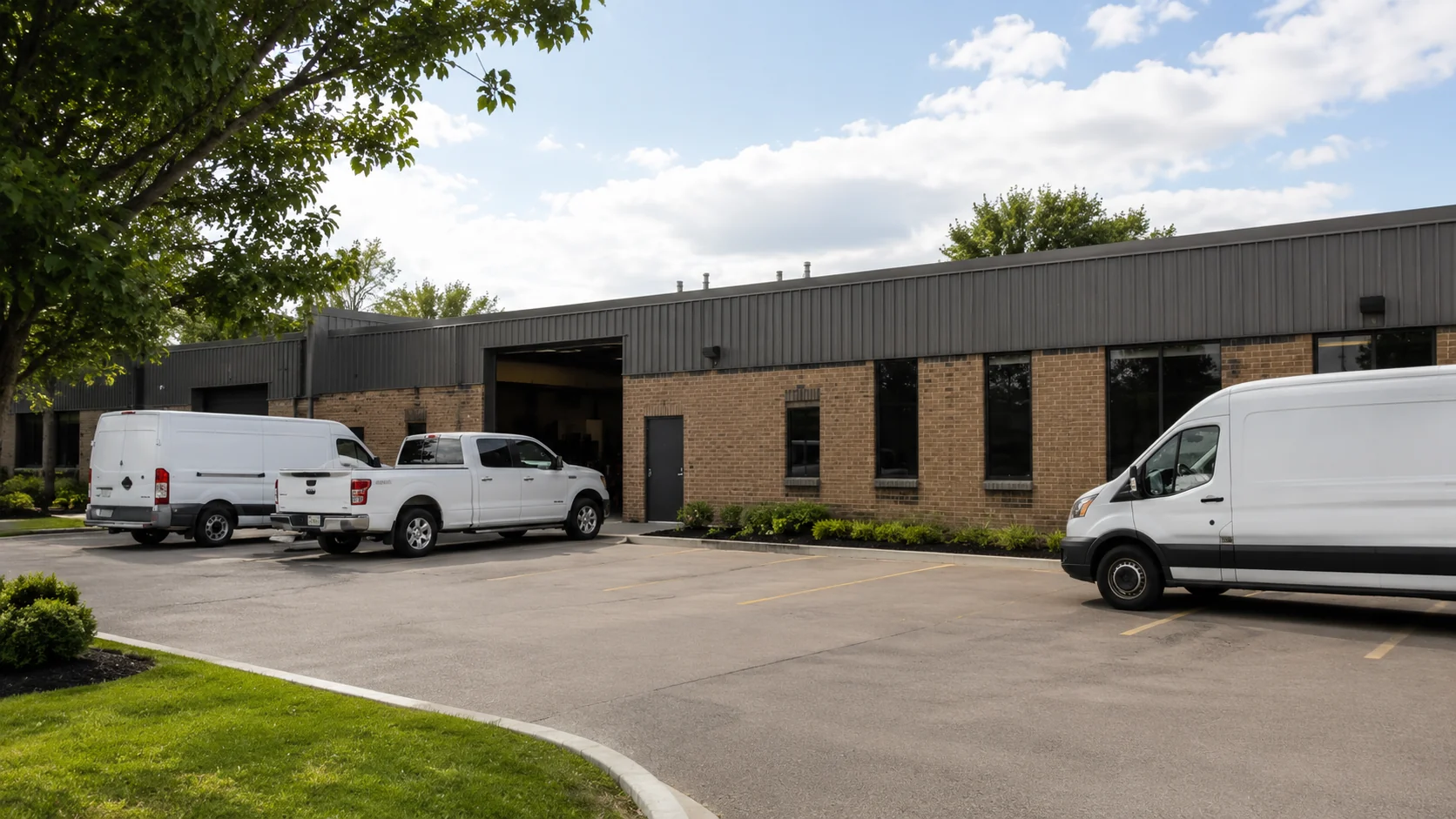
For Windsor–Essex service businesses, contractors, trades, local delivery operations, and companies with vans, pickups, or business-owned passenger vehicles — reviewed through an independent broker who can coordinate Ontario automobile coverage, optional physical damage, and hired/non-owned auto without treating every risk like a for-hire motor carrier.
What's covered
Ontario business automobile coverage is organized here by regulated liability and accident benefits, optional physical damage, hired and non-owned exposure, and multi-vehicle fleet structure — because mandatory coverages, endorsements, and underwriting differ from personal auto and from for-hire trucking programs.
Statutory minimums exist — adequate limits are a business decision: Every Ontario motor vehicle liability policy must insure at least $200,000 per accident for third-party bodily injury and property damage — but serious highway claims can exceed that quickly. Many Windsor–Essex businesses purchase $1 million or $2 million limits, and contracts with landlords, municipalities, or general contractors may require higher certificates. As of July 1, 2026, optional accident benefits apply only to named insureds, spouses, dependants, and listed drivers — pedestrians, cyclists, and some passengers may rely more on third-party liability when optional benefits do not apply to them. Review limits at renewal, especially after the 2026 accident-benefit changes.
Statutory minimums exist — adequate limits are a business decision
Every Ontario motor vehicle liability policy must insure at least $200,000 per accident for third-party bodily injury and property damage — but serious highway claims can exceed that quickly. Many Windsor–Essex businesses purchase $1 million or $2 million limits, and contracts with landlords, municipalities, or general contractors may require higher certificates. As of July 1, 2026, optional accident benefits apply only to named insureds, spouses, dependants, and listed drivers — pedestrians, cyclists, and some passengers may rely more on third-party liability when optional benefits do not apply to them. Review limits at renewal, especially after the 2026 accident-benefit changes.
Practical considerations
The Premium difference
Why a broker?
One relationship. Multiple markets. Coverage explained in plain language.
- 1
Your operation
Your industry, locations, and how the business actually runs day to day.
- 2
Multiple insurance markets
Independent access to commercial carriers — options compared side by side.
- 3
Premium broker
Windsor-Essex guidance that translates policy wording into decisions.
- 4
Right-fit coverage
Protection aligned to your operations — not generic off-the-shelf limits.
A lot to protect? Good thing we have options.
One policy is rarely the whole picture. Explore other commercial coverage from Premium.

Commercial auto FAQ
Straight answers to common questions for this industry.
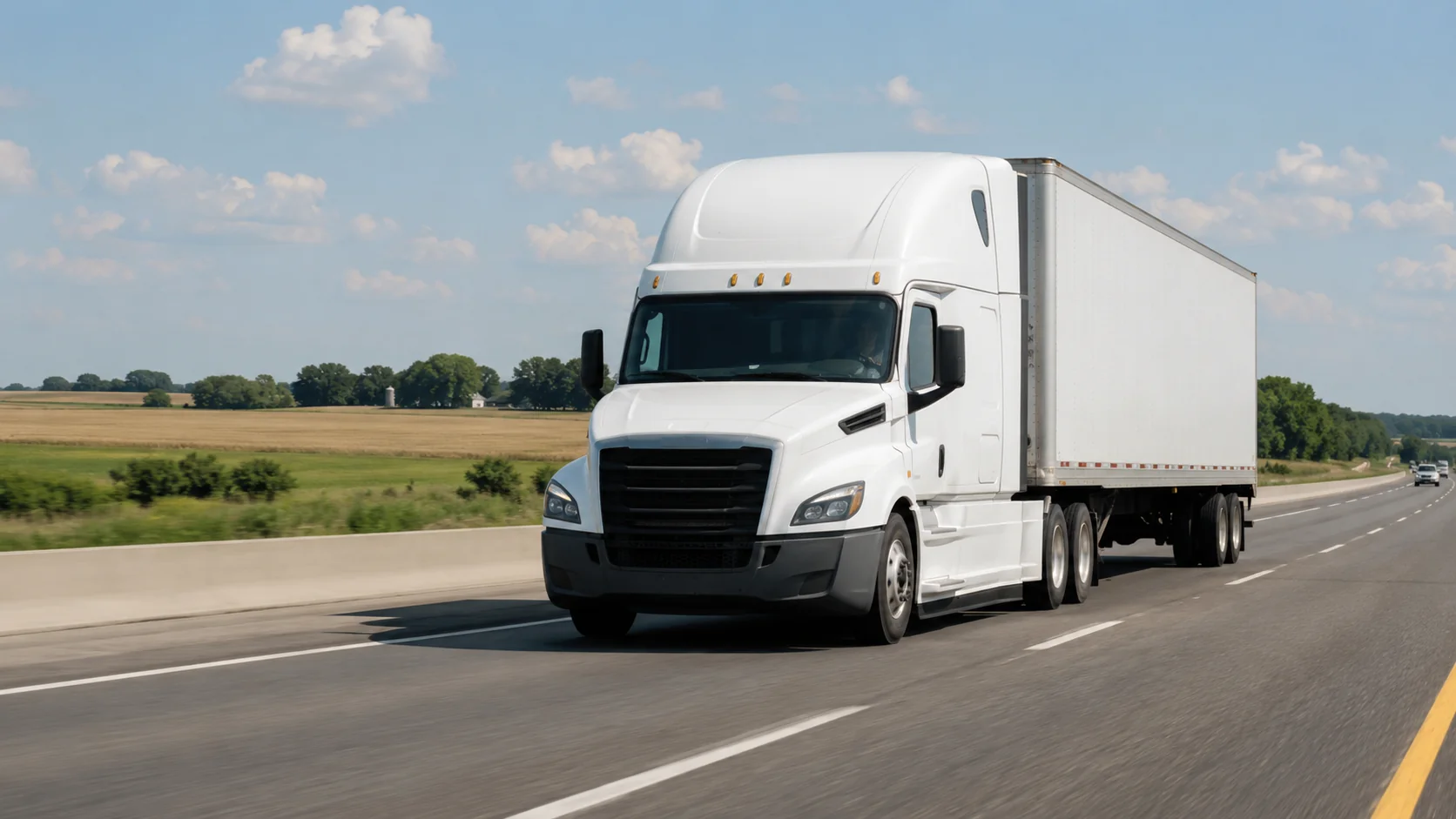
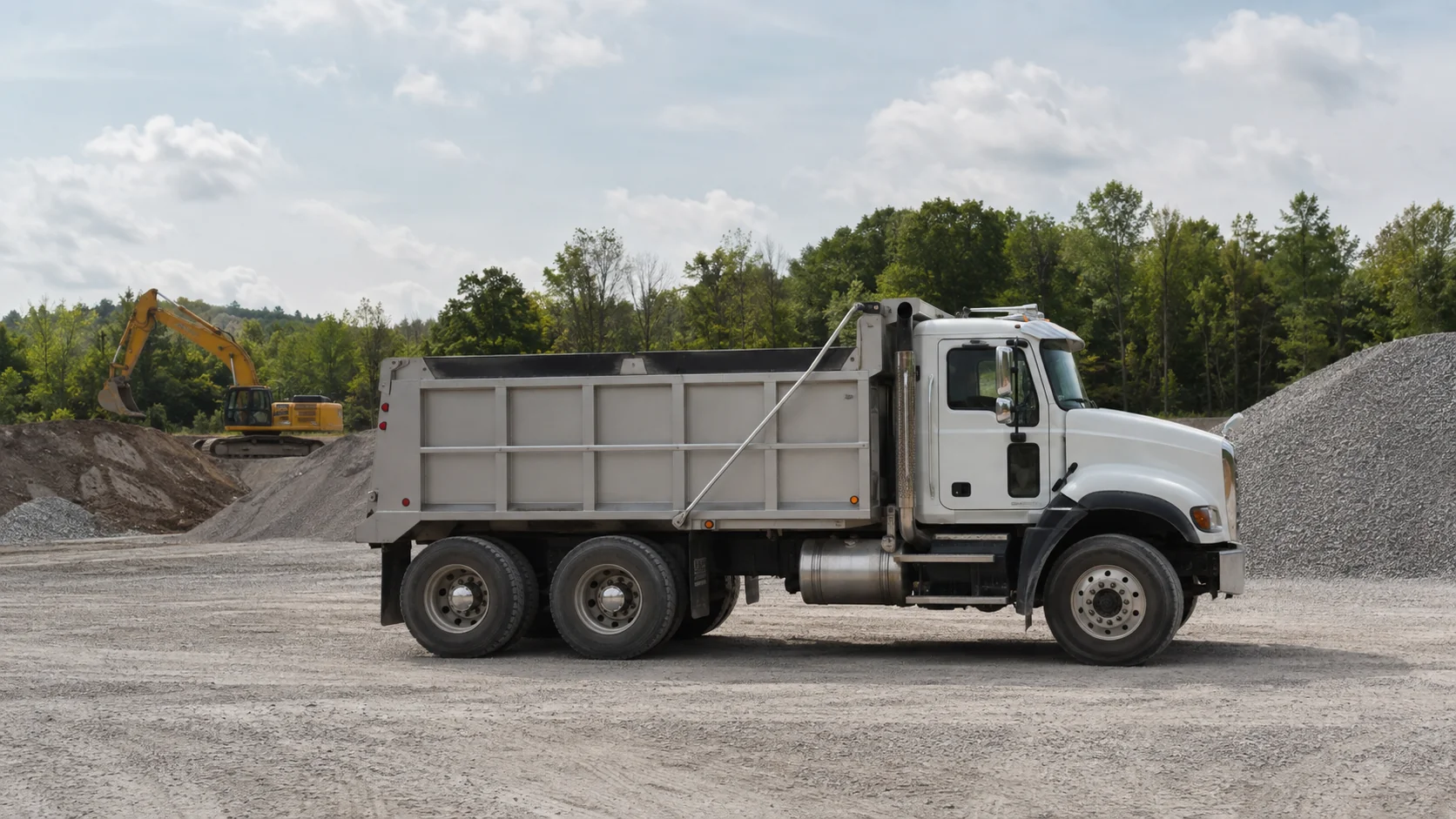
Insurers look at how the vehicle is registered and used — business deliveries, client visits, carrying tools or stock, fleet scheduling, and commercial plates or weight class all point toward commercial automobile rating. A personally owned truck used only for commuting is usually personal auto; the same truck used daily between job sites for your company is typically commercial. If your operation involves for-hire freight, heavy motor-carrier units, or CVOR-regulated hauling, our trucking or dump-truck pages may be the better starting point.
Ready when you are
Ready to cover your fleet?
Tell us about your vehicles, drivers, and territory — we'll compare Ontario commercial automobile options and explain what fits your operation.